
Category: Diet
Pictures From My Photo Shoot - Diet Wrap up
(This is a re-post from www.elitefts.com)
Pictures from my Photo Shoot - Diet Wrap up
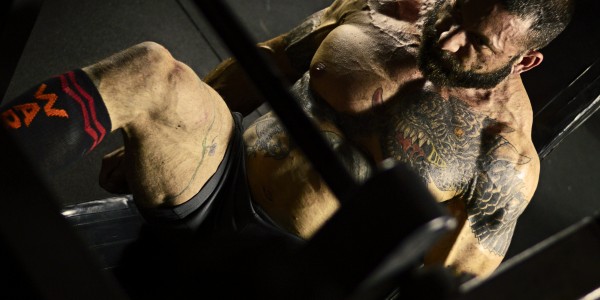
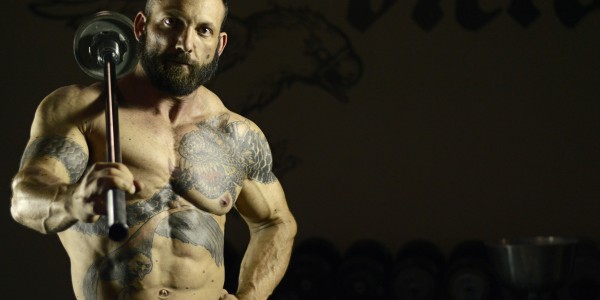
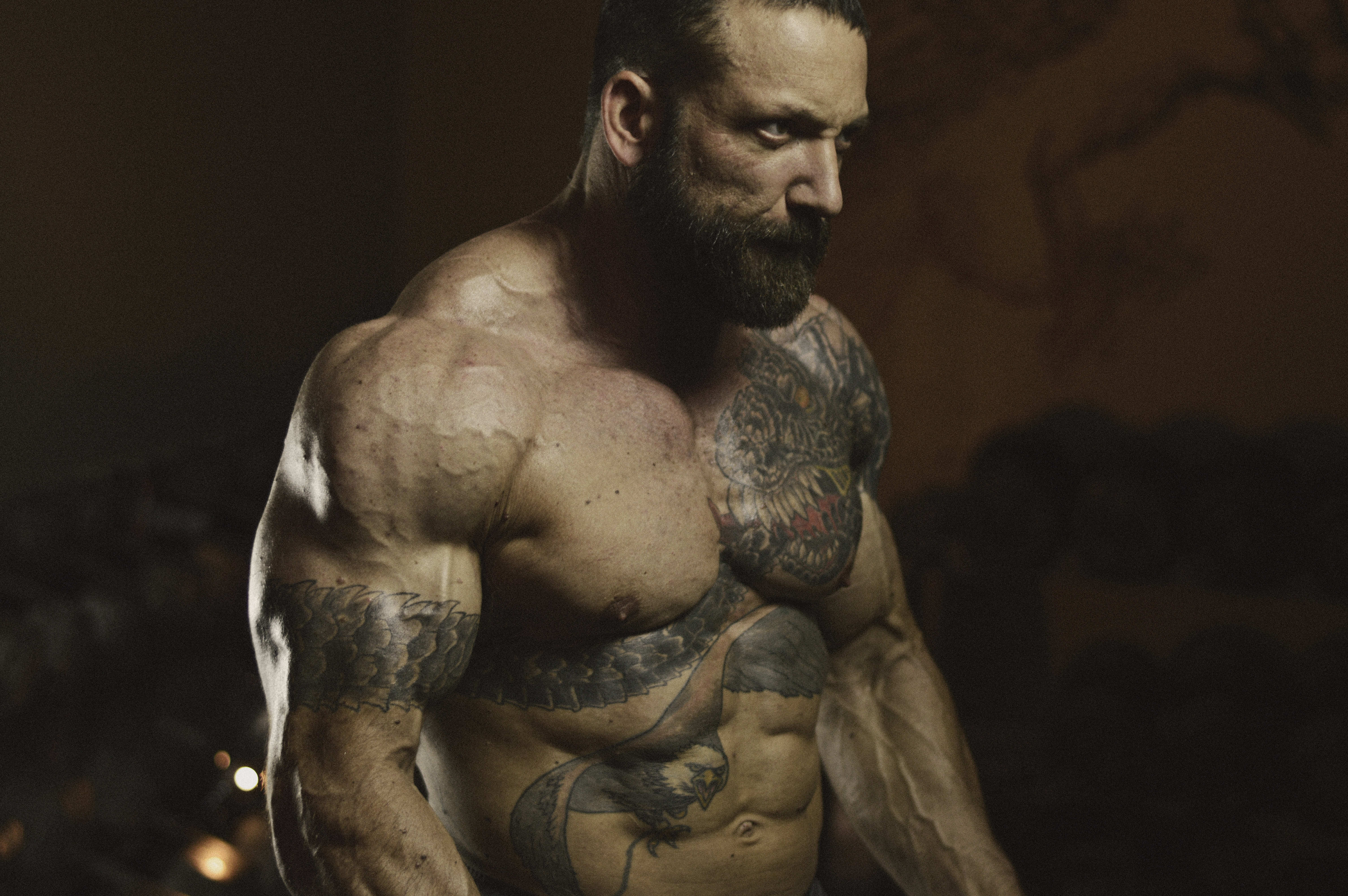
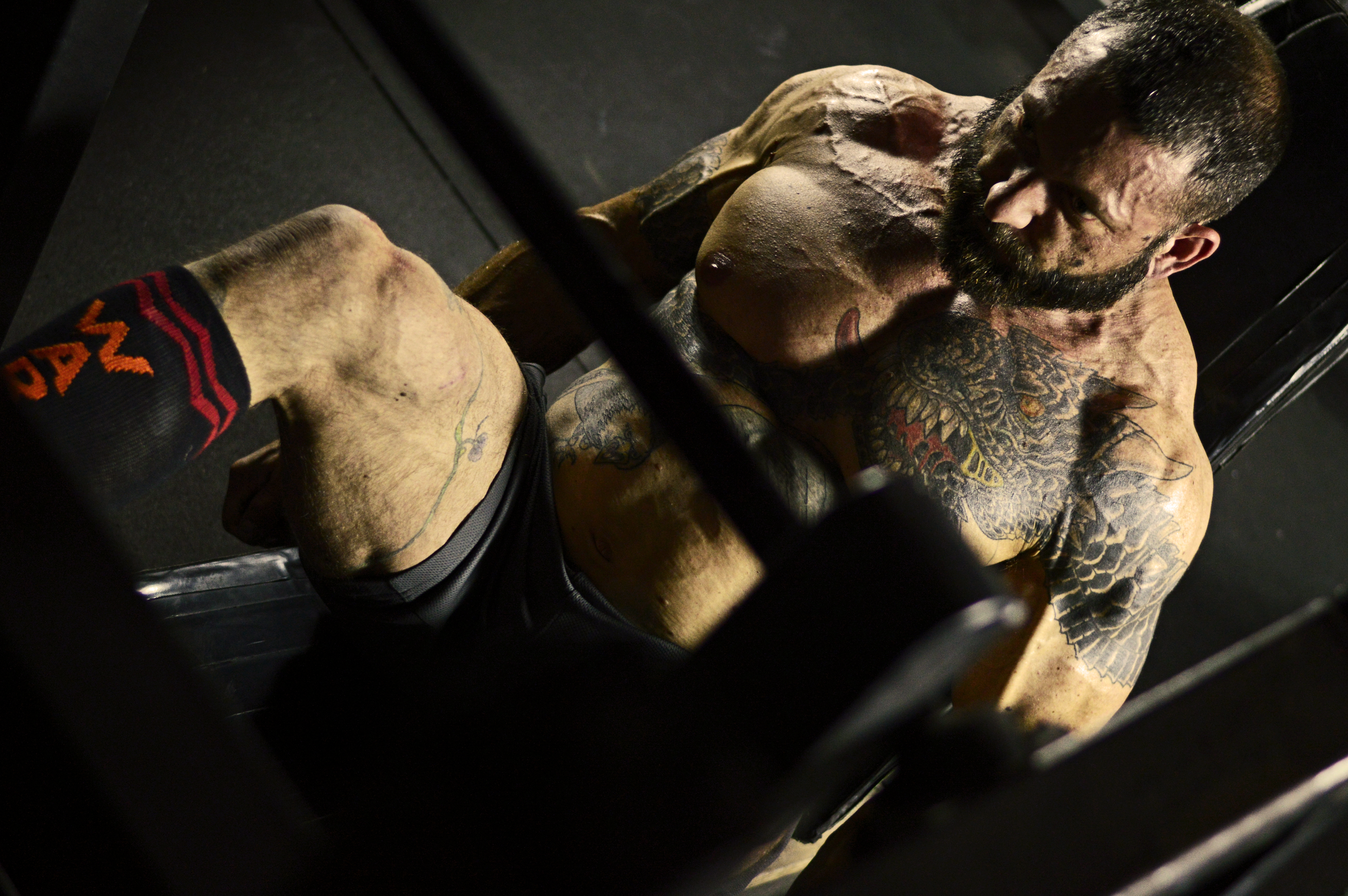
First my apologies for my lack of posting this last few weeks. I have been buried with work and some very frequent training as I entered the final phases of my diet and prep for the photo shoot.
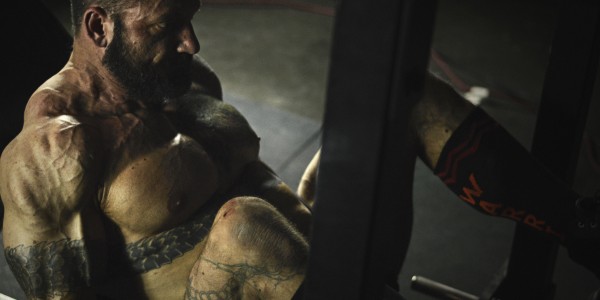
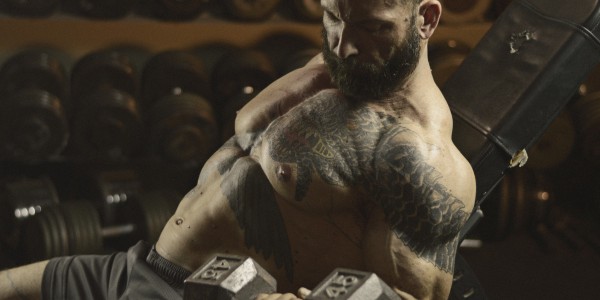
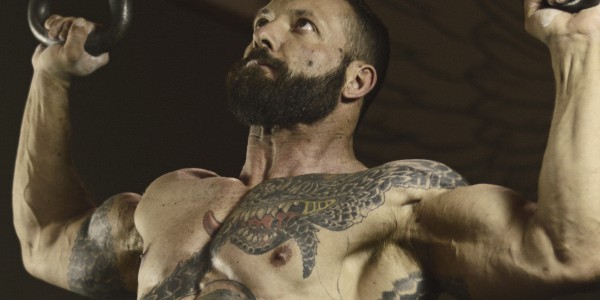
I’ve had a lot of people ask me why I did this. Really it just boiled down to doing something different. With my current schedule training for a competition was out of the picture and I wanted to have a little bit of an understanding of what bodybuilders go through. My friend Amit Sapir managed my diet leading into this.
You will have to click on each image to see the entire photo.
All in all it was a good experience and I plan on rebuilding to a leaner powerlifter allowing me to not have to do the giant weight cuts I’ve done in the past.
Photo’s courtesy of Jack Donovan


Whiskey & Deadlifts
Whiskey & Deadlifts
(aka - Powerlifting: Experimentation and Logic behind Intra-Workout Alcohol Consumption)
by powerlifter Chris Duffin
Are you looking for an excuse to get drunk or abuse alcohol? If yes than go away! This is most definitely not an article for you. Without a doubt the negative long term and short term effects of alcohol are very well documented. Particularly as an athlete, excess and even moderate alcohol use can have a detrimental effect on your powerlifting and strongman performance. From negative hormonal factors such as lowering testosterone, lowering HGH, lowering ADP generation, and increasing cortisol to dietary impacts of reducing protein syntheses, containing 7cal/g of energy, and interfering with absorption of other nutrients - all of these factors make it clear that alcohol is something to avoid as a strength athlete (or consume in very minimal quantities). The short term depressant effect, slowing both cognitive ability as well as coordination, and reducing decision making abilities makes it hard to understand how there would be any value in alcohol at all – particularly when it comes to strength sports.
Unfortunately for us, much of the research we have access to is incomplete. It looks at the short term and long term effects of alcohol on the body. There is plenty of positive research on minimal to moderate long-term alcohol use and the positive effects on cardiovascular health and free radical scavenging properties – This might be something for us to explore at another time.
The exception and interesting thing to note is in the lack of research on the IMMEDIATE effects of low-dose alcohol consumption on the athlete.
The proposed hypothesis is that alcohol used in small and properly timed doses allows for harnessing some of the immediate psychoactive effects that can have a net positive impact on performance. Before reading further I would like to state that the use of alcohol is banned by WADA (World Anti-Doping Agency), so if you are thinking of using it in tested competitive events – please don’t. Interestingly enough, the very first athlete to be disqualified from the Olympic Games was for alcohol use at 1968 games in Mexico City (Hans-Grunner Liljenwall). This was only one year following the death of Tom Simpson, a Tour de France athlete that died from excessive use of Brandy and Amphetamines during the race. It was this 1967 death that caused the IOC (International Olympic Committee) to kick off its anti-doping efforts. The use of alcohol in athletics has been around for some time. How long exactly is a historical mystery, but it is well documented that the challenging 1904 Olympic Marathon was won by Thom Hicks who was ready to give up at the 16mile mark due to exhaustion. After that point, at every stop his handlers gave him brandy for recovery and he went on to finish and win the race. The ancient Greeks in the original Olympic Games used a number of psychoactive drugs, including wine consumption, to enhance performance. Even today many Russian strength athletes are rumored to enjoy drinking vodka before deadlifting. I believe this is not just because they like vodka but the actual immediate performance enhancing effects.
To explain my logic I invite you to first imagine a scenario that many may be familiar with – an individual in a bar. In that bar you notice someone at another table you find very attractive and want to strike up a conversation with, but most of us in this classic scenario are nervous. You friend suggests you have a shot of “liquid courage”. Yes, we know some of the positive psychoactive effects of alcohol from our own experiences without having to see any hard research. That quick shot of liquid courage does several things – first, it reduces inhibition and fear, then it can also shut down the many thoughts that run through your mind; thoughts of second-guessing yourself and of overthinking the situation. It quiets the mind and calms the nerves – effectively reducing anxiety in the short term. One interesting anecdote is that alcohol is banned in the sport of competitive shooting for exactly these reasons. Alcohol can be a performance enhancer that can reduce tremors, improve balance (yes…immediate but not long term), and thus ultimately improving accuracy. In addition to calming the nerves, reducing inhibition, and reducing fear, it also heightens whatever mood you’re in – including aggression or sociability.
While alcohol is listed as a depressant it is an interesting drug in that that it can also have stimulant-like effects. Part of this effect may or may not be related to the fast acting metabolic action it has as a calorically-dense substance. Alcohol absorbs faster than simple carbohydrates yet has almost the same caloric density as fats while also being absorbed and used by the body with a higher priority than the other macronutrients. This may not be what causes stimulant like effects under some conditions, but it certainly has an impact as an on-demand intra-workout calorie source. Think back to the recovery of that marathon runner. We can anecdotally guess that if he had used alcohol before the race it would have had a negative impact on his performance. But in this specific application it was effective in the immediate, short term as an intra-workout energy source.
Additionally, alcohol has an immediate hypertensive effect on the heart – it effectively causes blood pressure to increase. While this effect is not typically considered beneficial, short-term spikes in blood pressure can make heavy weights feel lighter. Elevated blood pressure, reduced fear, less jitters/tremors, more focus (shutting down the overthinking mind), mood enhancement, reduced pain perception, fast absorbing caloric energy it is easy to now see how this popular psychoactive drug can be used as a specific targeted tool by which athletes can improve performance. As long as the amounts are kept to an absolute minimum - mitigating both the short term and long term negative effects – it is not a far reach at all to consider alcohol as a performance enhancer, particularly for strength athletes.
Due to the negative short term and long-term effects of alcohol its use in training should be very limited; perhaps saved for that heavy Squat or Bench Press PR when you need an extra boost. Think about being at the bar and having walked up and started a conversation with that person. With a shot or two in you, you are likely unaffected, have your wits about you, and can engage this person successfully. However, if you continue to drink, everything is going to go downhill quickly as you become inebriated. In the gym it needs to be the same way - a shot or two before that big lift of the week (or month) is all that is needed. Harness that big PR set and take it a step farther next time.
What you don’t want to do is to negatively affect the rest of your workout, the next days training, or your recovery in any way. As the Russians are rumored to do, it also seems wise to only use alcohol as a performance enhancer for movements you can walk away from – the deadlift being a perfect example. You don’t want to get stuck under a squat or bench because of reduced coordination, even if this isn’t likely with the amounts we’ve discussed. Additionally, if you chose to use this substance for performance enhancement at a (non-tested) powerlifting meet, you wouldn’t want to drink before squats or bench as this would leave you with the negative effects later in the day on the subsequent lifts.
I have only been experimenting with timing and amounts of alcohol in training for the last month or so. As suggested above, I have only done this on deadlift days. Currently I am deadlifting twice a week, and that puts me at 2-4 shots a week. I have found a shot 2-3min before my last pull to be most effective. Sometimes it is before the last two pulls. I have also found that lifting after the shot causes the alcohol to burn out of my system very quickly. I usually feel no negative effects of the alcohol before the set but as I walk away from the bar I can feel it hit rapidly and then it quickly goes away.
Since I deadlift at the beginning of a workout I was worried about the alcohol affecting me negatively while hitting all my volume work after pulling. I have found this not to be the case with how rapidly the alcohol wears off after a set. While my frequency of use has been high in employing this method on a weekly or twice weekly basis, that has been solely due to the fact that this is an experimentation phase. Once I have the effects, amounts, and timing dialed in I will add this to my tool kit for when I need the extra boost. This approach most definitely should not be utilized in every training session or even every week in my opinion.
**Disclaimer You will note that absolutely no documented research was presented for this article as it was written for entertainment purposes and is not meant in any way to be any sort of recommendation. Please take it as such and understand that I only wanted to share my thoughts on a subject for which very little research and written material (even anecdotal or experiential) exists.
Authors Note:
Chris Duffin has hit a PR in every single workout in every instance he tested this method. These sessions were all done while in the middle of a caloric deficit. Unlike the Russians and their Vodka… He’s sticking with an American alternative, Kentucky Whisky. We suggest Knob Creek or Bulleit because it’s good. There are of course many others. Enjoy your pick of the litter!
As always, if you’re looking for a great strength tool to add into your arsenal of daily work to increase you Bench Press, core strength, mobility and reduce the chance of shoulder injury than be sure to check out our ShouldeRok!
Whiskey & Deadlift shirts coming available now!!!
Dieting & Staying Strong - Week 2
Dieting & Staying Strong wk2 - 2014wk50
Week 2 of my diet. Dropping some pretty decent weight but still feeling strong. My waistline has dropped 1.75” so far but not much change on the calipers yet so its mostly visceral fat loss as this point. Pleased with the results and will keep at it.
MONDAY
ShouldeRok Swings x 3 sets
Curls x 3 sets
Bench
135×5
225×3
315×3
405×2
455×1
495×1
405×8
Dips
Bw+160×12,10,8
Machine shoulder press
Stack x 15,15,15
Overhead tri extension
X12,12
WEDNESDAY
ShouldeRok Swings x 3 sets
Deadlift off 3” Blocks w/50lb band on hips and 40lb band on shoulders
155×5
265×5
375×5
485×3
595×3
685×6…. Nice pull for me with no straps
Pause Squats w/5 sec pause
335×3
425×5,5
THURSDAY
Fasted training for first time in long time.
Dips x70,50,50,50
Leg Extesnion stack x20,20,20,20
KB Front Twist Raise 26×16,14,14
One arm hangs (Sec) 25s, 25s per side
SATURDAY
ShouldeRok Swings x 3 sets
RDL’s off 3” block
265×1
375×1
485×1
595×1,1
I had some excruciating back pain thus doing singles and not doing reps. Finally had to just call the workout a wash and quite.
Seated Machine Rows
Stack x20,20,20,20
Pullups x16,14,8
My wife dropped off the kids with me at the gym but they were entertaining themselves well so I got a massage from our practicing masseuse student who was in that afternoon. Found some serious triggers in my piriformis and got my psoas to release. Back pain alleviated. I would love to get a makeup workout in on Sunday but since I’ll be out of town for work most of next week its not gonna happen.
Make sure to visit my sponsor and fellow teammates at EliteFTS.
Cutting Weight - Powerlifting, Strongman, Olympic Lifting
Cutting Weight - Powerlifting, Strongman, Olympic Lifting
Both powerlifting and strongman often offer 18-24hr weigh-ins prior to the start of the meet. This creates an opportunity for you to plan and manage your weight class with different objectives that cannot be realized when faced with a 2 hour weigh-in.
You may wonder why an athlete would wait to the last minute to cut weight instead of having the discipline to slowly diet down to the desired weight class over weeks or in some case months. The answer is simple: Performance. Properly managing your weight ABOVE your weight class can actually improve your performance on meet day. In this short piece I’ll detail the approach I take with the lifters that I coach.
In the slowly-dieting-down-to-a weight-class approach there are some negatives that come into play. Let’s take an athlete that’s 10-12lbs over their weight class. At two months out from competition this lifter will begin diet restrictions and slowly get down to their weight class for the meet. Unfortunately this will leave you training at a weight higher than you will be on meet day for majority of your training cycle. Of particular importance is the last 1-4 weeks when you’re finally getting close to your weight class. This is a time for 1) de-loading and 2) handling submaximal weights. These two factors combined give you a false sense of strength and don’t allow you to learn the impact of leverage changes due to weight loss. During the heavy training completed at one month out from competition you’re still quite a bit heavier than you will be on meet day. Additionally, in the last few weeks as you get close to the target weight, heavy lifts are reduced if not all together removed. You won’t get the chance to learn the balance and leverage changes at your meet day bodyweight. This approach may lead to underperforming or unrealistic meet day expectations.
Another important aspect to consider is taking advantage of the supercompensatory effects of both carbohydrate and water restrictions. A small weight cut and re-composition that can be done with an 18-24hr weigh-in can actually INCREASE performance on meet day when properly executed. The restriction period puts the body in a state of supercompensation. The body will take in and hold additional fluids and blood glucose that it wouldn’t normally retain. This is very similar to the supercompensation effect provided by weight training sessions. Typically anything over an 8lb cut isn’t going to net an increase in performance on meet day, and 5lbs for the lighter lifters. If done properly you can actually be a few pounds above your typical walking around weight on meet day after refueling and rehydrating giving the meet day performance boost.
With these factors in mind I like to see my athletes diet until they are 5-8lbs above their weight class at 4-6 weeks out from competition. This gives you the opportunity to spend several heavy weeks training at the weight you will be at on meet day. At one month out you can hit your max attempts (or close to) at your meet day weight and know exactly where you will be. Once the goal weight of 5-8lbs above your weight class is hit that weight must be sustained. If it begins dropping you need to UP your calories and keep your weight at the target.
To execute the weight cut, carbs are slowly cycled down over the last 3-4 days with zero carbs the day prior to weigh-ins. If you’re on the upper end of the weight loss spectrum, consider zero carbs two days prior. Water intake should be at 1 gallon a day the week prior to meet week with supplemented electrolytes (calcium 1000mg, magnesium 1000mg, and potassium 100mg all taken 2 times a day). Water is ramped up by ½ gallon a day to arrive at 2-2.5 gallons a day by 2 days out from weigh ins. Sodium intake is restricted to half normal daily amount at 2 days out and zero sodium the day prior to weigh-in. Water intake stays high keeping the athelete superhydrated till we cut off water at roughly 18hrs out. Timing may vary on this within a 12-24hr range based on actual weight to be cut and how the individual has responded in past. When water is cut off you should take 1500mg vitamin C, 2g of Dandelion root, and 1-2 Coors lights (or equivalent light beer) as your last fluid intake.
If any sauna time is needed, which it shouldn’t, do it at 15min on 15min off while making sure to fully dry off immediately upon exiting sauna each time. You want to be within 2lbs of your weight class when you go to bed the night before weigh ins, and this should have you at your desired weight upon waking. If your not there before bed that night then plan on sauna before bed to get to that point, or upon waking before weigh ins.
Food intake is allowed as either 4oz chicken on 2-3 occasions or a tablespoon of unsalted almond butter (or equivalent) the day prior to weighing in. Make sure the chicken has not been soaked in a salt solution is often the case.
Eat and drink all day post weigh in, forcefully pushing past state of being full. Mix in some pedialyte or Gatorade during the day and on meet day. Stay away from slow digesting heavy meals. Eat sweet and salty foods and nothing that has the potential of causing GI distress. Hitting some light training later that day after refueling and rehydrating with just a bar (I only use 1 plate) for a few 20 rep sets of Squats, Bench, Deadlifts, and Rows. This will help pull the fluids in through to your muscles and help everything fill out. NOT HEAVY, just enough to stimulate blood flow.
I do not recommend cutting more than 12lbs in this method unless you are chasing large world records or doing something very big. That’s elite level stuff that should not be ‘explored’ without an extreme understanding. I will not publish the modifications to this approach to achieve more weight loss. This is the reason I never list my actual walking around weight or my weight cut amounts in public forums.
Take this approach to the platform at your next meet. Now go out there and move some weight because… It’s time to get strong!
Application of Concentric Only Training
In the world of strength and size the eccentric phase (when the muscle is being stretched during the performance of the lift or “negative”) of the lift and overall ‘time under tension’ are king in regard to stimulating muscle Hypertrophy. From this perspective it would appear that concentric (when the muscle is contracting during the performance of the lift such as when pressing a barbell) ONLY training would have no value to the strength athlete. Although it may appear this way by looking at these simple facts, however training for strength and athletic development is much more complex beast than this one size fits all approach. It is indeed possible to incorporate concentric only training in an effective manner to yield improved strength and or athletic ability.